Why Reading California Cannabis Labels Can Literally Protect You
Even with legalization, the illicit market in California is still massive, and many estimates say it is larger than the legal one. That means a lot of untested, counterfeit branded products are circulating, especially through social media and unlicensed shops. Having the California cannabis product label explained clearly is not just about compliance; it is about keeping yourself safe.
This guide breaks down weed label meaning California consumers should understand, how to spot fake products, and how to read weed packaging CA rules so you can avoid dangerous counterfeits.
What Every Legal California Cannabis Label Must Include
Once you learn the basics, cannabis packaging labels CA explained in plain language are pretty consistent. Legal products follow strict rules from the Department of Cannabis Control (DCC).
On the outer package, you should see:
- Universal CA cannabis symbol – Triangle with a cannabis leaf and “CA”, at least 0.5 inches tall, black or white on a contrasting background.
- Product identity – Simple name like “vape cartridge”, “cannabis flower”, “gummies”, “tincture”.
- Net weight or volume – In both grams/milliliters and ounces/fluid ounces.
- Government warning – All-caps warning about cannabis being a Schedule I controlled substance, risks in pregnancy, delayed effects, driving safety, and keeping away from kids and animals.
- THC CBD label info CA – Total THC and CBD per package, and for edibles or measured products, per serving as well.
- Manufacturer name and contact – Legal name or DBA plus a phone number or website.
- License and tracking info – License number, batch or lot number, and a UID (track-and-trace) code.
- Ingredients and allergens – Full ingredient list for infused products, plus “Contains [allergen]” if applicable.
- Dates and storage – Packaging date and, if needed, “KEEP REFRIGERATED” or similar storage directions.
- Prop 65 warning – A separate warning about cancer or reproductive harm.
Edibles must also say “Cannabis-Infused” in bold above the product name. Any California compliance labels cannabis packages use must be clear, in English, and at least 6-point font.
Why THC Carts Are the Most Counterfeited Products
Among all product types, popular THC vape cartridges are the most heavily counterfeited in California. Fake packaging is mass-produced and sold online for cents per piece. Unlicensed sellers buy the empty boxes and cartridges, fill them with unknown oil, and pass them off as name-brand items.
Here is why that is dangerous:
- No lab testing – Illicit oil is not tested for pesticides, heavy metals, or residual solvents.
- Unknown additives – Some fakes have been linked to vitamin E acetate or other cutting agents that have caused serious lung injuries.
- Mislabeled potency – The number on the package does not match reality, making dosing unpredictable.
So while lists of the best THC cart brands California dispensaries carry can help you find reputable products, you still need to verify that what is in your hand actually came from a legal manufacturer.
How To Verify a Legal Cannabis Product Before You Use It
Here is a practical checklist for verifying product info cannabis CA rules expect and confirming a product is real.
1. Use the DCC license lookup
- Find the brand or manufacturer’s name and license number on the label.
- Go to the California Department of Cannabis Control site at cannabis.ca.gov.
- Use the license lookup to confirm:
- The license is active.
- The name on the site matches the name on the package.
- The license type fits the product (manufacturer, distributor, retailer).
If the license number is missing, wrong, or does not match the company name, treat that as a major red flag.
2. Check batch number and test info
- Find the batch or lot number on the informational panel.
- Scan any QR code in addition to reading the printed details. Legal labels cannot rely on a QR code alone.
- Look for a lab test summary showing THC, CBD, and pass results for contaminants.
Many brands let you enter the batch number on their website to pull up the certificate of analysis (COA). If the batch shown online does not match your label, you may have a fake.
3. Compare with brand website photos
- Visit the brand’s official website and look at current packaging photos.
- Compare logo placement, warning text, and universal symbol size.
- Outdated designs, off colors, or different fonts can indicate counterfeit packaging.
Physical Red Flags: What Fake Products Often Look Like
Counterfeiters can copy logos, but they are sloppy with details. When reading weed label meaning California style, and checking the actual product, watch for:
On the packaging
- Spelling errors or bad grammar in warnings or ingredients.
- Missing universal CA symbol or one that is too small or blurry.
- No government warning, or wording that seems off from other legal products.
- No license number, batch number, or UID anywhere on the box.
On the vape cartridge or product itself
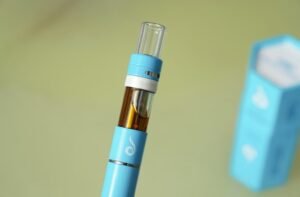
- Oil that is very dark, almost black, or has visible particles floating in it.
- Oil that is unusually runny and watery at room temperature.
- Cartridges that feel cheap, with loose connections or leaking around the mouthpiece.
- A cart that has almost no resistance when you try a dry pull (inhaling without firing the battery), which can signal poor build or tampering.
If anything looks off, do not consume it until you have double-checked authenticity.
Where Counterfeit Cannabis Products Are Commonly Sold
Understanding where counterfeits circulate helps you avoid them in the first place.
- Instagram and other social media sellers
Accounts offering “brand-name” carts for cheap, accepting only cash apps or crypto, and delivering “no questions asked” are almost always unlicensed. - Unlicensed storefronts
Shops that look like dispensaries but cannot show a state or city license, or that only accept cash and will not provide a proper receipt. - Pop-up markets and events
Tables at pop-up “farmer’s markets” or parties selling shrink-wrapped packages with no verifiable retailer license. - Delivery services with no visible license
Drivers advertising in group chats or on flyers, or websites that do not list a DCC license number or verifiable business information.
Buying only from licensed retailers greatly cuts your risk, because those shops are required to verify California compliance labels cannabis products carry and keep track of legal inventory.
Harm Reduction: What To Do If You Suspect a Fake Product
If you already bought something and now suspect it is fake, you still have options.
1. Stop using the product immediately
- Do not keep testing “just to see” if it feels normal.
- Store it safely away from kids and pets until you decide how to dispose of it.
2. Report it to the DCC
- Gather the package, receipt, and any photos of how and where you bought it.
- Go to cannabis.ca.gov and use the complaint or report form.
- Include the shop or seller details, license number if shown, and photos of the label.
Reporting helps regulators shut down illegal sellers and protect other consumers.
3. Watch for health symptoms
Seek medical attention right away or call 911 if you notice any of the following after using a suspected fake product:
- Serious breathing problems, chest pain, or shortness of breath.
- Severe nausea, vomiting, or abdominal pain that does not ease up.
- Confusion, extreme anxiety, or hallucinations that feel different from your usual cannabis response.
- Very fast heart rate, dizziness, or fainting.
Bring the product and packaging to the clinic or hospital if you can do so safely. This helps medical staff understand what you were exposed to. Public health bulletins and scientific reports on vaping-related lung injuries consistently point to unregulated, illicit products as a major risk factor, especially when unknown additives are involved.
Frequently Asked Questions
How can I quickly tell if a product is legal in California?
Look for the CA universal symbol, a clear government warning, THC and CBD amounts, a license number, and a batch or lot number. Then use the DCC license lookup to confirm the license is active and matches the company name.
Do all legal cannabis products have to show THC and CBD numbers?
Yes. Legal products must show total THC and CBD per package. Edibles and other dosed items must also list THC and CBD per serving so you can manage your intake safely.
Are QR codes enough to prove a product is legal?
No. A QR code can link to lab results, but it can be faked. Legal packages still have to carry all required printed information. If the physical label is missing core elements, treat the product as suspicious even if the QR code looks professional.
Understanding California cannabis product label explained guidelines gives you a practical tool to protect your health. By buying only from licensed sources, checking labels against DCC rules, and staying alert to counterfeit red flags, you can use cannabis more safely and confidently in California.