The Mistakes That Cost You the Most Potency
If you care what your flower smells, tastes, and feels like, you need to know the main cannabis storage mistakes to avoid. A few bad habits can turn top-shelf buds into harsh, weak, or even moldy weed surprisingly fast.
Below are the most common weed storage mistakes Californians make, why they happen, and exactly what to do instead.
1. Using Plastic Bags Or Dispensary Bags Long Term
What it is: Keeping your buds in zip-top bags or the thin plastic bag from the dispensary for weeks or months.
Why people do it: It is easy, cheap, and that is how many people first see cannabis stored.
Damage caused: Plastic builds static electricity that pulls fragile trichomes off the buds. Those trichomes hold most of the THC and terpenes, so you get mistakes that ruin THC potency and flavor. Some plastics also off-gas and can change the taste. Bags crush nugs and let in air, speeding up drying and oxidation.
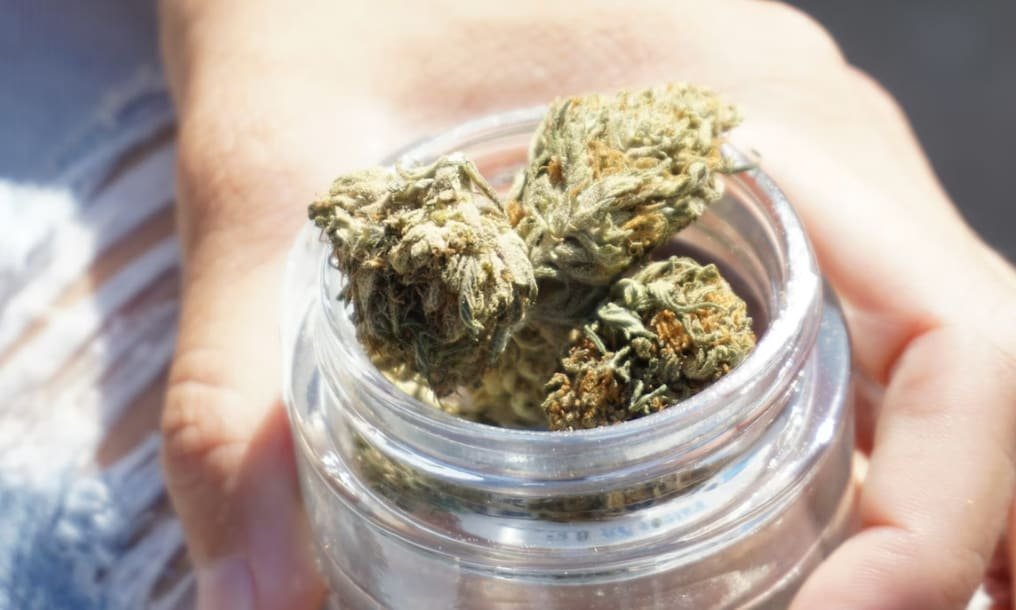
Better alternative: Move your flower into small, airtight glass jars with a good seal. Opaque or tinted glass is best. Fill the jar so there is some space but not a huge air gap, then keep it in a cool cabinet.
2. Storing Weed In The Fridge
What it is: Putting jars of flower in the household refrigerator to “keep it fresh.”
Why people do it: It works for food, so people assume it works for cannabis too.
Damage caused: Fridges have constant temperature and humidity swings every time the door opens. That invites condensation, which can lead to mold and mildew. Cold can also make trichomes brittle, and they can snap off when you handle the buds, another of those weed preservation errors that weakens your stash.
Better alternative: Store at room temperature in a dark cupboard, aiming for roughly 60–70°F. Use airtight glass and a small humidity pack inside each jar instead of the fridge.
3. Freezing Flower For Long-Term Storage
What it is: Putting buds in the freezer thinking it will “pause” aging.
Why people do it: Freezing works for meat and veggies, so it sounds logical for cannabis.
Damage caused: Extremely cold temperatures make trichomes glassy and fragile. Any movement can knock them off, and opening and closing the freezer causes moisture changes that raise the risk of ice crystals and mold as it warms.
Better alternative: For longer storage at home, use airtight glass jars with humidity packs in a consistently cool, dark space. If you need to store large amounts cannabis home California, focus on a closet or cabinet that stays cool and dry rather than the freezer.
4. Leaving Weed In A Hot Car (Especially In California)
What it is: Forgetting a jar, bag, or pre-roll in the car for hours or days.
Why people do it: Quick errands turn into all-day trips, or people just stash their weed in the glove box.
Damage caused: In California summers, car interiors can hit 120°F or more. That heat drives off terpenes, dries out the flower, and can start converting THC into CBN, making your weed weaker and sleepier. In sealed containers, trapped moisture plus heat can also create perfect conditions for mold.
Better alternative: Treat your stash like chocolate: never leave it in a hot car. Take it inside and store in a cool, dark drawer or cabinet as soon as you get home.
5. Using Clear Jars On A Windowsill Or Shelf
What it is: Keeping weed in bright, clear jars on display where sunlight hits them.
Why people do it: It looks nice, shows off pretty buds, and feels “craft.”
Damage caused: UV light is one of the fastest ways to break down THC and terpenes. Direct sun through glass can heat jars and speed up degradation, leading to dry, bland, and weaker flower.
Better alternative: Use opaque, tinted, or UV-blocking glass and keep jars in a dark place like a cabinet or closet. If you want a display jar, only keep a gram or two there and treat it as “ready to smoke,” not long-term storage.
6. Using The Wrong Humidity (Too Dry Or Too Damp)
What it is: Storing weed in very dry air or very damp conditions with no control.
Why people do it: Many folks just stick jars wherever they fit and forget about humidity.
Damage caused: Below about 50% relative humidity, buds get brittle, terpenes evaporate faster, and smoke turns harsh. Above roughly 65%, you risk mold and mildew, especially inside dense nugs. If you want to avoid moldy weed storage, humidity control matters.
Better alternative: Aim for about 55–62% relative humidity. Use small two-way humidity packs inside each jar. They are cheap insurance compared to losing an ounce to mold.
7. Grinding Your Whole Stash In Advance
What it is: Grinding several grams or an ounce at once and leaving the ground weed sitting in a container.
Why people do it: Convenience. It is nice to have pre-ground flower ready to roll.
Damage caused: Grinding exposes far more surface area to air and light. Terpenes evaporate quickly, and cannabinoids oxidize faster, so potency and aroma drop. Ground weed also dries out rapidly and can burn too hot.
Better alternative: Only grind what you will use that day. Keep the rest as whole buds in airtight glass. If you must pre-grind for mobility, store a small amount in a tightly sealed, dark container and refill often.
8. Using A Tobacco Humidor
What it is: Storing cannabis in a wooden cigar humidor or box designed for tobacco.
Why people do it: Humidors sound like a classy storage upgrade and already manage humidity.
Damage caused: Many humidors use cedar wood and cigar humidity solutions that are not ideal for cannabis. The wood can transfer flavors, and humidity levels may sit higher than is safe, raising mold risk. This is a classic example of what not to do storing cannabis, even if it feels “premium.”
Better alternative: Use non-porous containers like glass or stainless steel with cannabis-specific humidity packs. If you like the look of a box, use it just as an outer shell and keep your jars sealed inside.
9. Storing Flower Near Stoves, Radiators, Or Electronics
What it is: Keeping jars on top of the fridge, by the oven, near a space heater, or right next to electronics that put out heat.
Why people do it: Those spots are convenient and often have empty shelf space.
Damage caused: Constant mild heat slowly dries your weed, fades terpenes, and accelerates THC breakdown. Over time, buds lose their snap and start to taste flat and harsh. In California apartments, where AC use varies, these hot zones can get even warmer.
Better alternative: Choose a low cabinet or closet wall that stays away from direct sun and appliances. Touch-test it: if it feels warm regularly, pick another spot.
10. Leaving Lids Loose Or Opening Jars Constantly
What it is: Not sealing containers fully or popping jars open several times a day to “show” or smell the buds.
Why people do it: Habit, sharing with friends, or forgetting to twist the lid fully.
Damage caused: Extra oxygen leads to oxidation, which steadily lowers THC and changes terpenes. Repeated air exchanges dry buds out faster and can introduce moisture and spores from the environment, another path toward mold.
Better alternative: Use containers with tight seals and close them firmly every time. If you share often, keep a small “daily use” jar and leave the rest sealed in storage.
11. Mixing Old And New Batches Together
What it is: Dumping fresh dispensary flower on top of older, dryer buds in the same jar.
Why people do it: To save space and keep the same strain together.
Damage caused: Older weed can spread its stale aroma to fresher flower. Moisture also migrates between buds, which can either overdry the new ones or re-wet the old ones in uneven ways, raising mold risk.
Better alternative: Store each new purchase in its own container or at least keep older and newer batches separated. Finish the older jar first before opening the next.
12. Ignoring Signs Your Weed Has Gone Bad
What it is: Smoking buds that look or smell off instead of checking carefully.
Why people do it: They do not want to waste weed or are not sure what “bad” looks like.
Damage caused: Moldy cannabis can be harmful to lungs, especially for people with asthma or weakened immune systems. California’s state site, cannabis.ca.gov, reminds consumers to avoid products that look contaminated or have visible mold.
Better alternative: Check stored flower every couple of weeks. Toss anything with fuzzy white, gray, or black spots, a sour or musty smell, or a slimy feel. No amount of savings is worth smoking mold.
Quick Reference: Good Storage Checklist
Use this checklist to avoid bad cannabis storage habits and keep your stash fresh:
- Use airtight glass or stainless steel containers, not plastic bags
- Keep containers in a cool, dark, dry cabinet or closet
- Aim for 55–62% humidity with two-way humidity packs
- Avoid fridges, freezers, hot cars, windowsills, and heat sources
- Use opaque or tinted containers, not clear jars in direct light
- Grind only what you will use soon; keep the rest as whole buds
- Skip tobacco humidors; choose non-porous containers instead
- Seal lids tightly and limit how often you open storage jars
- Store old and new batches separately
- Inspect buds regularly and discard anything moldy or suspicious
Frequently Asked Questions
How long can properly stored cannabis last?
With good storage, dried flower can stay enjoyable for 6–12 months. Potency and terpenes will slowly decline, but cool, dark, airtight conditions stretch that timeline.
Is it ever okay to store weed in the fridge or freezer?
For dried flower, no. Temperature and humidity swings in a kitchen fridge or freezer cause trichome damage and mold risk. Stick to room-temperature cabinets.
Can I fix dry weed that was stored wrong?
Slightly dry buds can improve with a humidity pack sealed in a jar for a few days. Very brittle, brown, or flavorless weed will not fully recover, but it may smoke a bit smoother.
Good storage is simple once you break the bad habits. Avoid these common weed storage mistakes, follow the checklist, and your cannabis will stay stronger, tastier, and safer for much longer.